The science of embers
So what exactly is biochar?
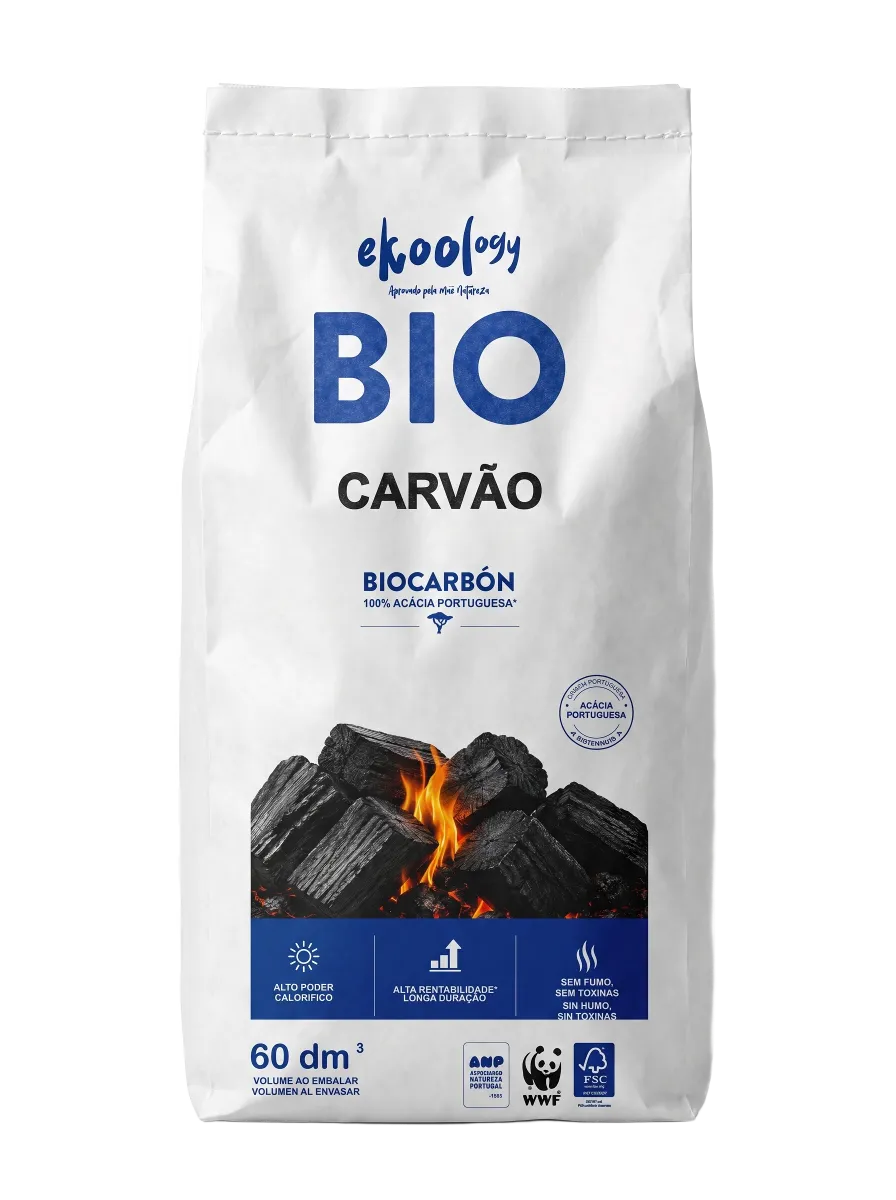
It isn't charcoal with a green label. It's a technically different product — and you can feel the difference on the grill, in the flavour and in the forest.
It isn't charcoal with a green label. It's a technically different product — and you can feel the difference on the grill, in the flavour and in the forest.
Traditional charcoal is made in rudimentary kilns that burn part of the wood and leave residues behind. We use slow pyrolysis — controlled thermal decomposition, without oxygen.
We collect only acacia wood (dealbata and melanoxylon) from Portuguese forest-clearing operations — dense, high-energy raw material that would otherwise go to waste.
The wood is heated without oxygen, at controlled temperature and time. All the toxic gases and harmful compounds accumulated by the tree are removed from the final product.
The process runs on solar energy and the heat generated is recovered and reused — minimum waste, minimum footprint.
Screening that removes dust and fines, zero-moisture checks, and bagging in recyclable packaging.
| EKOOLOGY | Traditional charcoal | |
|---|---|---|
| Fixed carbon | +94% | typically 60–75% |
| Moisture | ≈ 0% | variable, up to 10%+ |
| Time to embers | 15–20 min | 30–45 min |
| Smoke and sparks | Minimal | Frequent |
| Dust and fines in the bag | Removed | Common |
| Toxins | Removed in pyrolysis | Present |
| Wood origin | Invasive PT acacia, certified | Often unknown/imported |
| Impact on the forest | Positive: removes invasives | Neutral or negative |
Note: traditional-charcoal figures are indicative and vary by origin. EKOOLOGY data comes from our certified production process.
With higher calorific power you need 20–30% less charcoal per cook. A 15 dm³ bag equals ~5 kg of traditional charcoal.
No toxins, no strange smoke: the flavour is your fish and your meat — not the charcoal.
The ember stability and duration professionals demand, in your backyard barbecue.
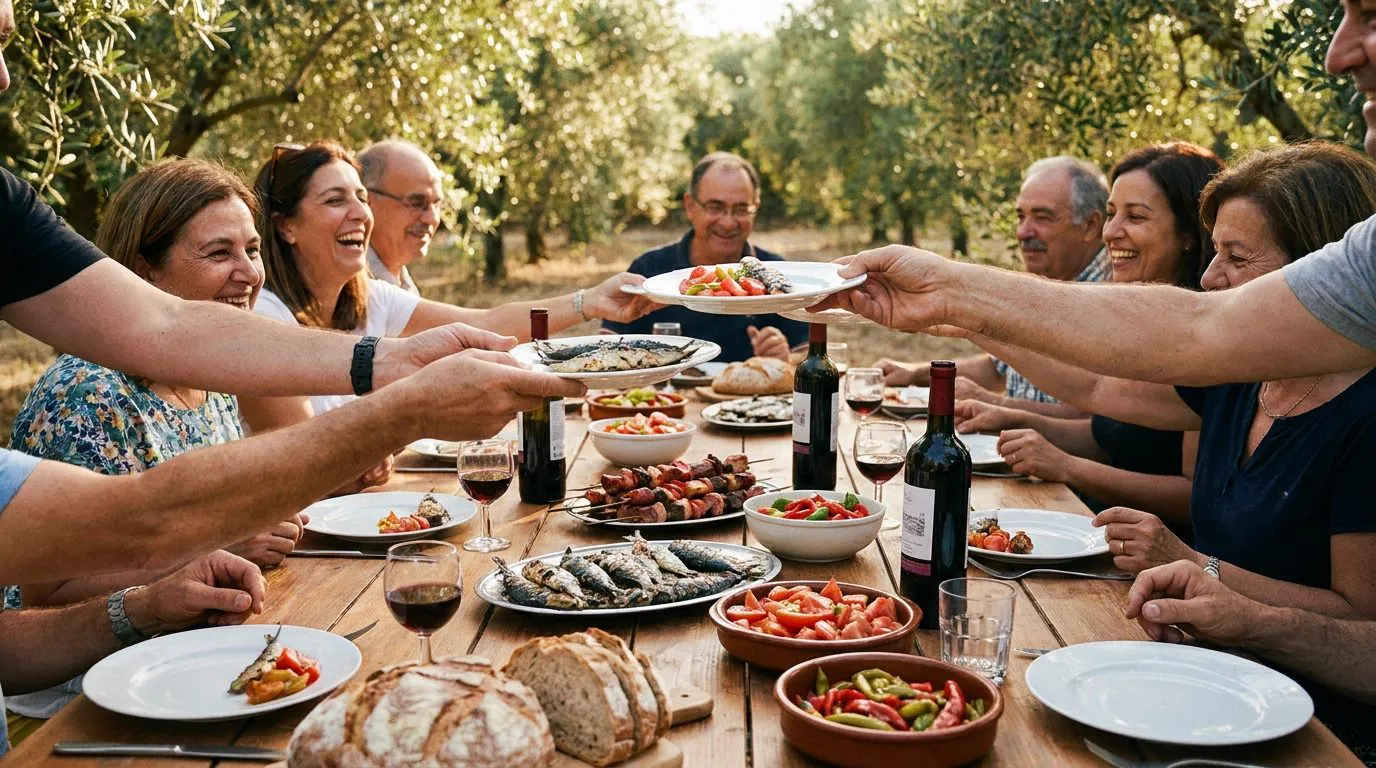
All the fixed carbon in the world serves a single purpose: that long summer table, full of food and people you love. EKOOLOGY makes sure the embers never fail — the rest is up to you.
See the recipes